
Vehicle Alignment System
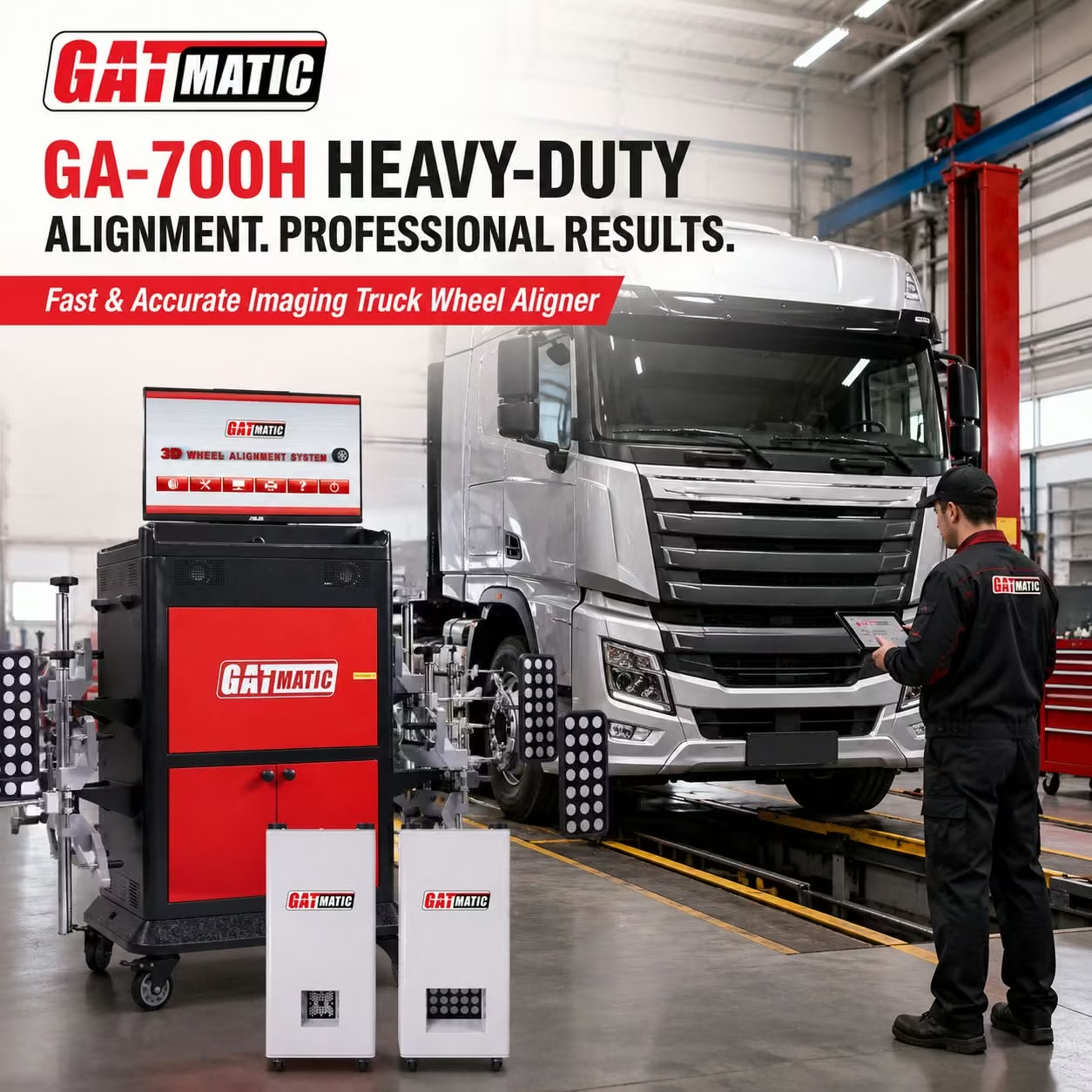

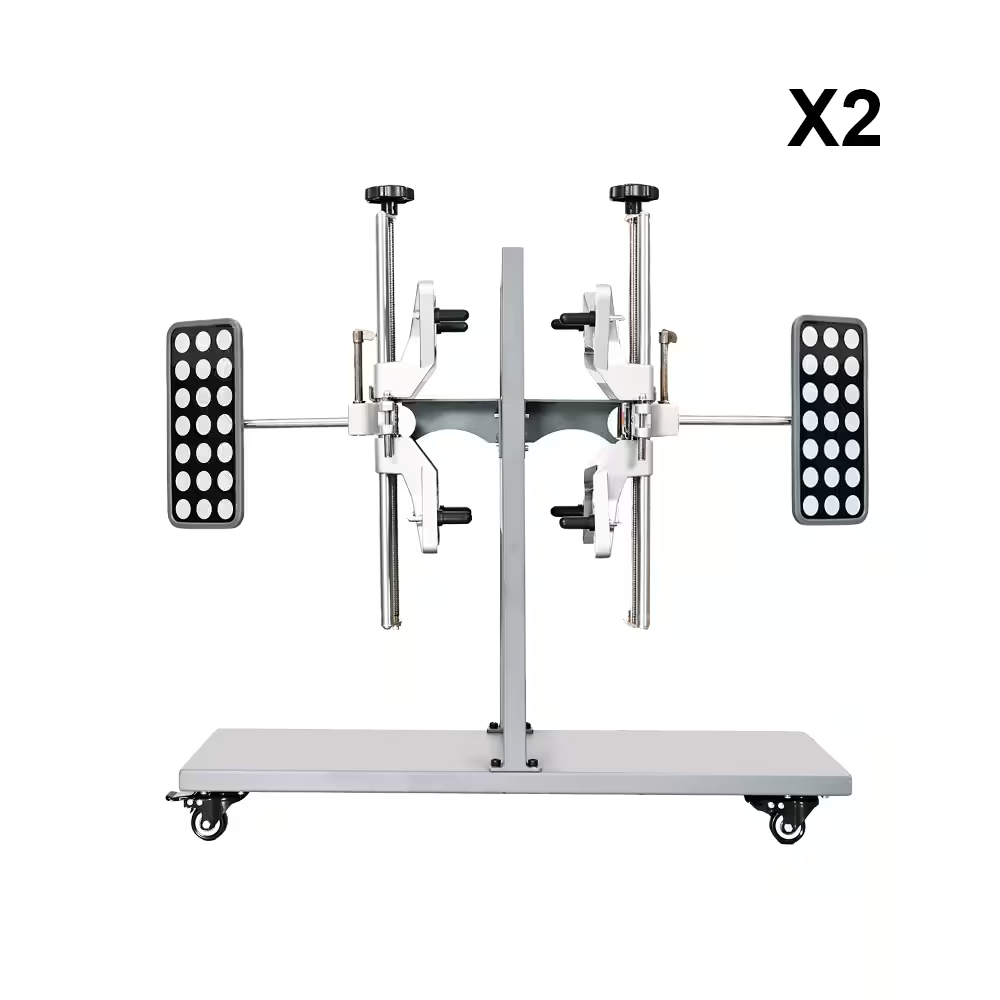


Truck Aligner
- 15-40s fast measurement cycle for higher throughput
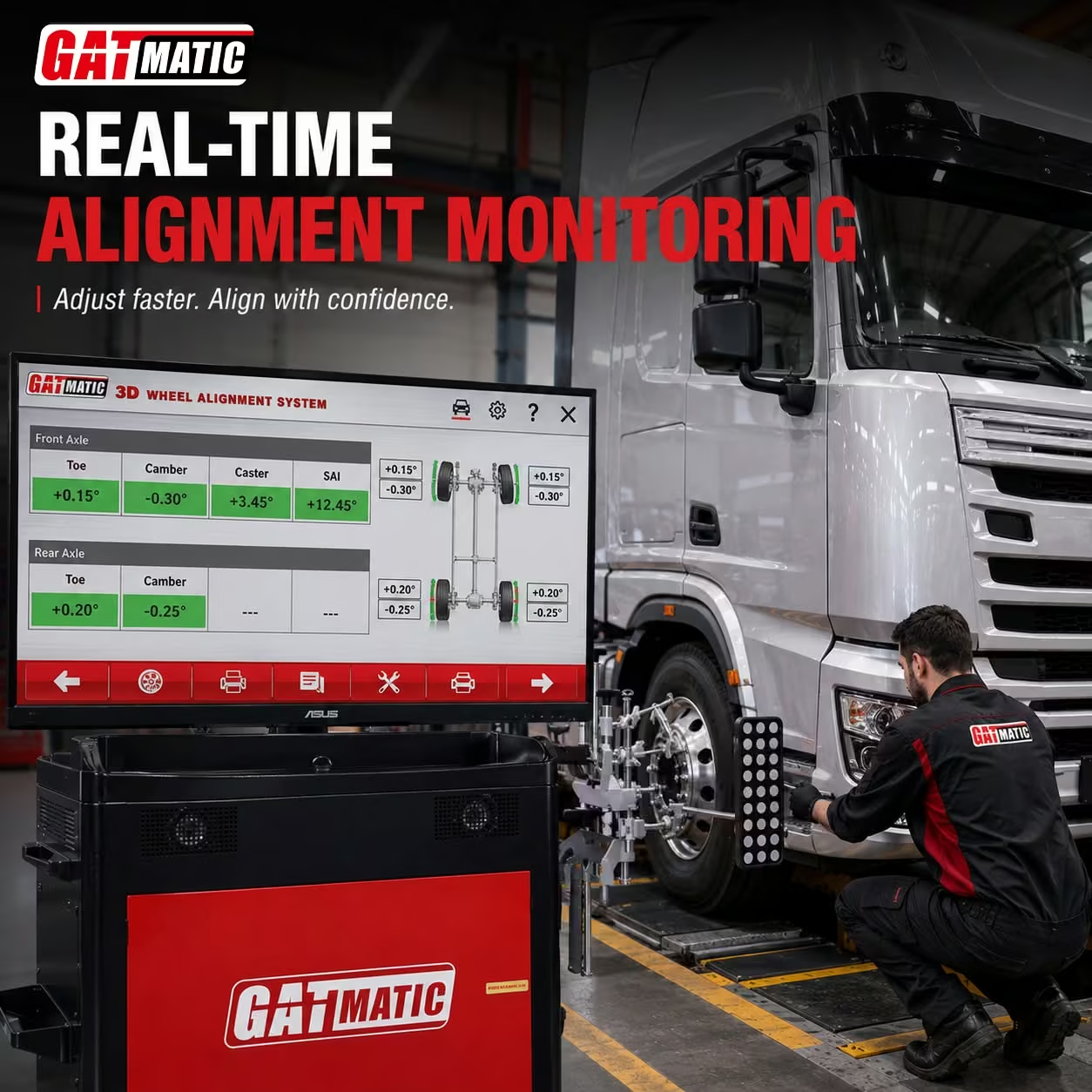
- Real-time alignment angle monitoring
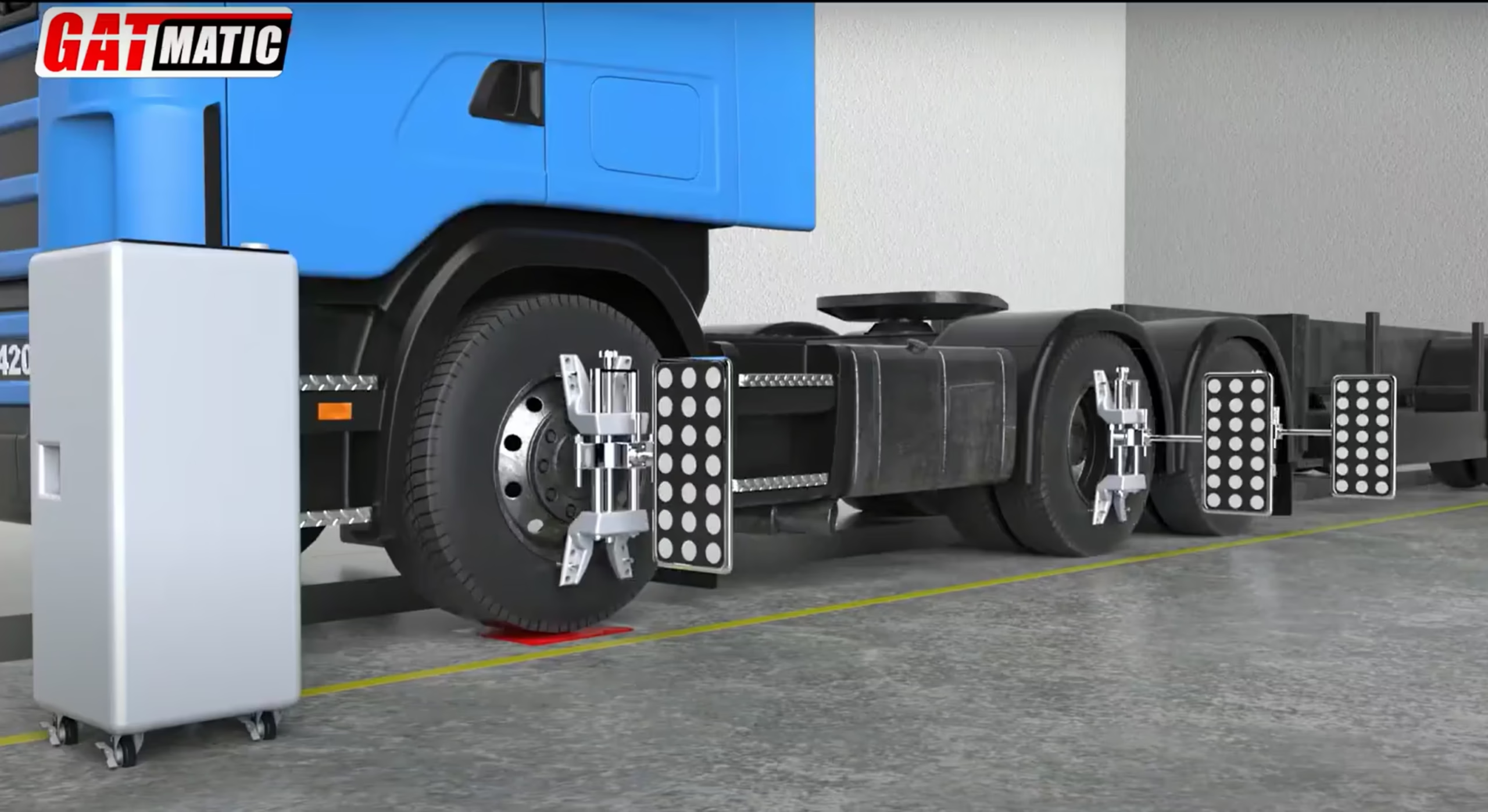
- 8-wheel simultaneous testing, one-time full calibration
- Anti-shake tech eliminates body movement errors
- Excellent RF and signal interference resistance
- Dual-axis steering adjustment for improved accuracy
- Supports wheelbases up to 7.2 m
- Wireless mobile probes, no strict workshop layout limits
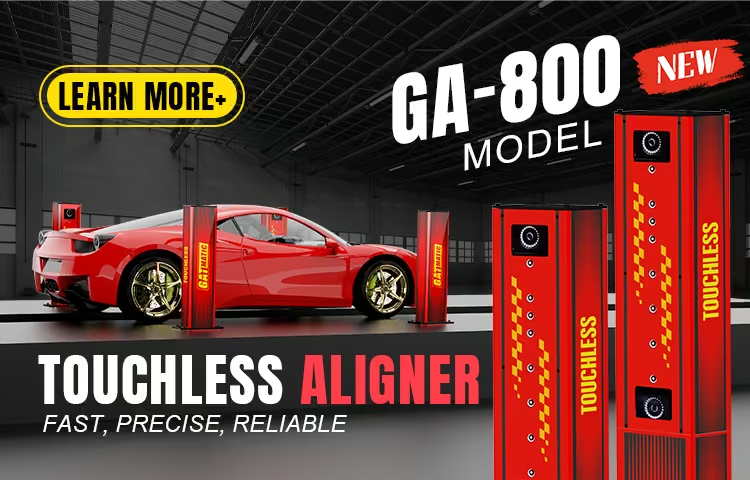

Config B Testing And Adjustments
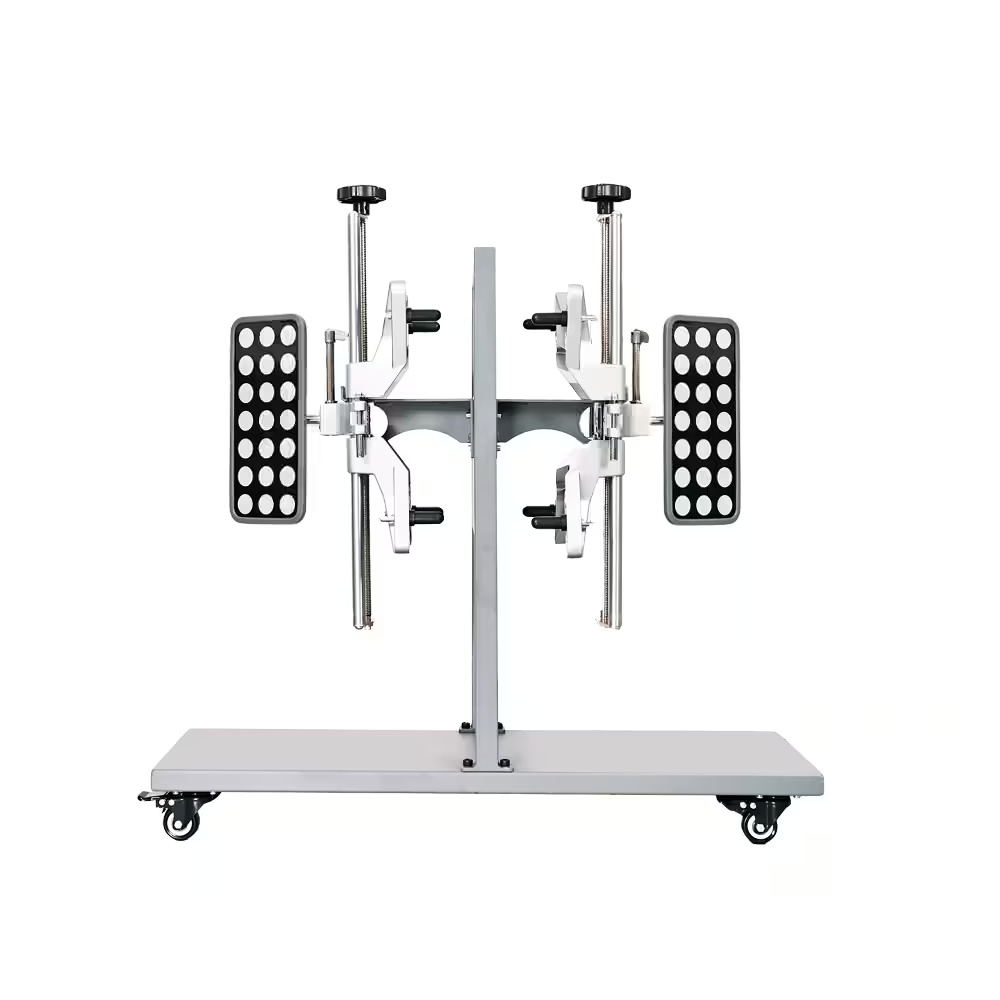
- 4 Pcs Short Post With High Precision Cameras
- Complete Computer Set and Accessories
- Application: For use in Fast Lubes or Drive-through lanes for fast alignment checks and adjustments. great for Car Dealers, Fast Lubes, Alignment Shops, Tire Stores


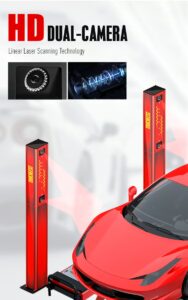
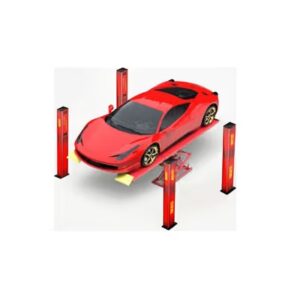
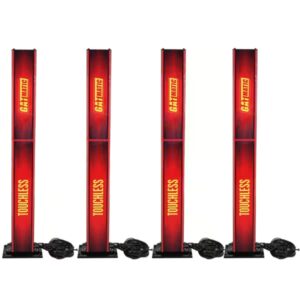
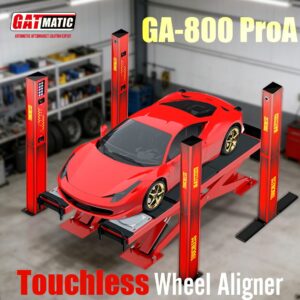
Config A Testing & Adjustments For Use With Vehicle Lift
- 4 Pcs Long Post With High Precision Cameras.
- Complete Computer Set and Accessories.
- Application: Use with aboveground lift for full Testing And Adjustments.
- Great for Car Dealers, Fast Lubes, Alignment Shops, Tire Stores.

Config C TEST LANE
- 2 Pcs Short Post With High Precision Cameras
- Complete Computer Set and Accessories
- Application: For use in drive-through lanes for fast alignment checks
- Great for Car Dealers, Fast Lubes, Alignment Shops, Tire Stores
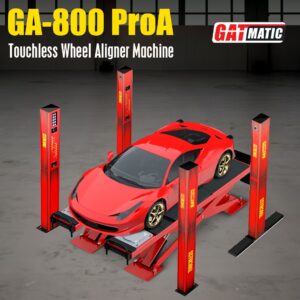
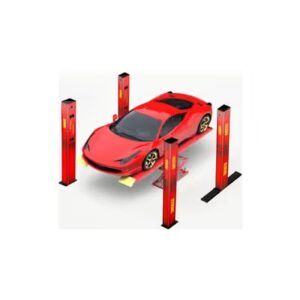
Config A Testing & Adjustments For Use With Vehicle Lift
- 4 Pcs Long Post With High Precision Cameras + Moveable Rear Columns.
- Complete Computer Set and Accessories.
- Moveable Rear columns for extended wheelbase vehicles.
- Application: For use in Fast Lubes or Drive through lanes for fast alignment checks and adjustments. great for Car Dealers, Fast Lubes, Alignment Shops, Tire Stores
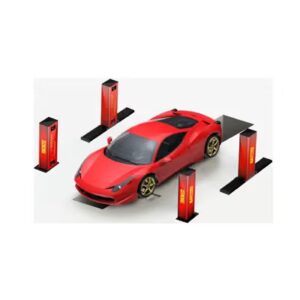
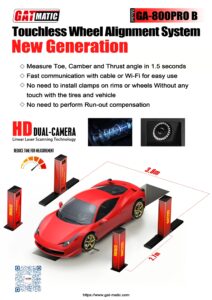
Config PRO B
- 4 Pcs Short Post With High Precision Cameras
- Movable rear column for extended wheelbase vehicles
- Complete Computer Set and Accessories.
- Application: For use in Fast Lubes or Drive through lanes for fast alignment checks and adjustments. great for Car Dealers, Fast Lubes, Alignment Shops, Tire Stores
FAQs
Wheel alignment is a process wherein a vehicle’s wheel angles are adjusted to result in an improvement in handling, tire wear, and overall driving performance.
Wheel alignment machines use cameras, sensors, and software for measuring wheel angles and accurately identifying alignment issues.
For using a wheel alignment machine, the sensors or targets are first attached to the wheels followed by measurement and adjustment process guided by software.
There is not a universally best wheel alignment machine. You should go for one that fits your shop’s accuracy needs, vehicle volume, service needs, and space availability.
Many modern wheel alignment service providers using advanced alignment equipment can complete the job within 30 to 60 minutes.
Suspension, tire or wheel issues are the primary factors that cause a car to shake. Moreover, improper alignment of wheels can also lead to vibration issues.
You should check your car’s wheel alignment whenever you encounter tire wear or steering issues. However, even in the absence of issues you should check alignment at least once a year.
Professionals use advanced alignment equipment to adjust camber, toe, and caster angles, and correct wheel alignment.
Yes, you should check wheel alignment when installing new tires. This can extend tire life by helping prevent uneven wear.
Under a 4-wheel alignment all four wheels are adjusted and measured to help improve steering response, vehicle stability, and tire performance.