
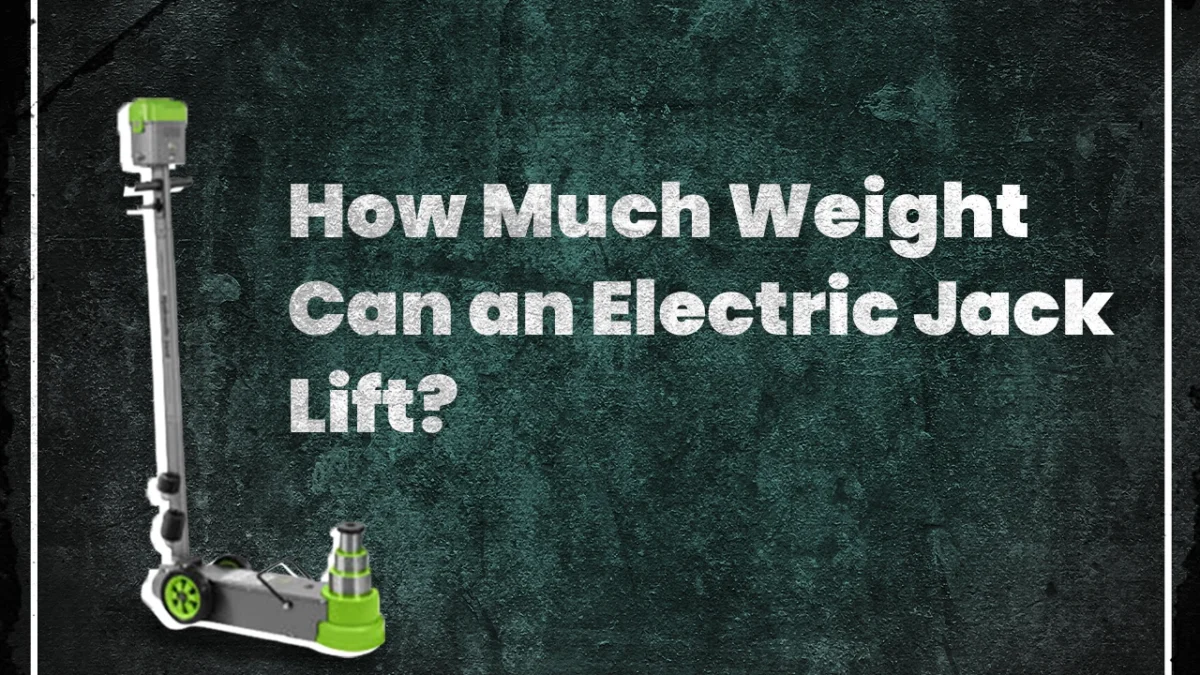
In every automotive shop or repair garage, there are always mechanics, fleet owners, or service shop owners who rely on lifting equipment for the safe and efficient service of cars. The correct choice of an electric jack for lifting cars is obviously important for the safety of repair personnel and for the efficiency of the garage. Before purchasing an electric lift jack, many customers would like to know in advance how much weight their new acquisition will lift.
The lifting capacity of an electric jack depends on the specific model of the jack as well as how you intend to use the jack. In general, small, lightweight electric tire jacks intended for use on cars and light trucks have a rated lifting capacity of 2 to 5 tons of weight. However, there are also very large, heavy-duty electric jacks that are used in garages that service commercial trucks and other heavy vehicles. These very large jacks are designed to safely hold very heavy weights.
Read on to learn about the capacities of all different styles of electric jack lifts, some of the factors that can affect the performance of any of these models, and what you should be looking for in selecting the right lift for your shop.
What Is an Electric Jack?
An electric jack is a motor-powered lifting device designed to raise vehicles with minimal physical effort. Unlike traditional hydraulic floor jacks that require manual pumping, electric jacks use an electric motor to lift vehicles quickly and consistently.
They are commonly used for:
- Passenger vehicles
- SUVs
- Pickup trucks
- Vans
- Commercial vehicles
- Fleet maintenance
- Professional repair shops
Modern electric jacks improve productivity while reducing operator fatigue.
Standard Electric Jack Weight Capacities
Electric jacks are available in several lifting capacities depending on the intended use.
| Vehicle Type | Typical Electric Jack Capacity |
|---|---|
| Small Cars | 2 Tons |
| Sedans | 2–3 Tons |
| SUVs | 3–5 Tons |
| Pickup Trucks | 5 Tons |
| Commercial Vehicles | 5 Tons and above |
| Heavy-Duty Shop Equipment | Higher capacities depending on the system |
Always choose a jack rated well above the portion of the vehicle being lifted to maintain a safe working margin.
Does a Vehicle’s Weight Equal the Required Jack Capacity?
Not necessarily.
When lifting a vehicle, typically only one end or one side of the vehicle is lifted at a time. However, the additional lifting capacity of a jack can be very beneficial for increased stability and safety when in operation.
For example:
- A 4,000 lb vehicle does NOT require a 4,000 lb jack.
- A higher-rated jack is also more durable and will be able to lift heavier future vehicles.
Never exceed the manufacturer’s rated lifting capacity.
Factors That Affect Lifting Capacity
The amount of weight that an electric jack can lift safely is affected by several different factors.
Vehicle Weight
Most trucks and commercial vans are much heavier than the small cars typically used for testing. As such, they will typically require a higher capacity jack to lift safely.
Lift Point
A vital aspect to consider when calculating the amount of weight that your electric lift can hold is the lift point or points on your vehicle. As you are lifting your vehicle with an electric lift, the load is being distributed from the lift point(s) to the ground by way of the lift. It is very important to remember to always lift from the recommended lift point(s) for your vehicle as specified by the vehicle manufacturer.
Ground Conditions
Note that electric vehicle lifts are designed to be used on a level surface. The ground surface that the lift is sitting on is a critical factor to the stability of the lift and it can negatively affect the lift’s ability to hold the vehicle if the surface is uneven or soft and cause the lift to fall. This could potentially cause serious injury or damage.
Jack Design
Professional grade, heavy-duty electric vehicle jacks are equipped with more stability features such as:
- Stronger steel construction
- Higher-capacity motors
- Enhanced stability
- Faster lifting speeds
- Improved overload protection
- Benefits of Heavy-Duty Electric Jacks
Benefits of Heavy-Duty Electric Jacks
Investing in a quality electric jack provides several advantages.
Faster Vehicle Lifting
The main advantage of using an electric lift is that it saves technicians time to work on other repair jobs. The time to set up the lift for a particular vehicle is greatly reduced.
Reduced Physical Effort
Improved Safety
Many professional electric jacks include:
- Automatic overload protection
- Stable lifting platforms
- Emergency stop functions
- Controlled lifting speeds
These features contribute to safer workshop operations.
Increased Productivity
Time saved in lifting can be used to deliver more services to vehicles during the working day in very busy repair shops.
Choosing the Right Electric Jack
Before purchasing an electric jack, consider the following:
Vehicle Types
Determine whether you’ll be servicing:
- Passenger cars
- SUVs
- Pickup trucks
- Commercial vehicles
- Mixed fleets
- Lifting Height
When you order an electric jack, please make sure to find out what lifting height is required for the different vehicle models and how often you are going to use this jack for lifting those
Build Quality
Long lasting durable equipment made from the best quality materials that can withstand frequent use in the workshop.
Safety Features
Look for models equipped with:
- Overload protection
- Stable base design
- Emergency lowering systems
- Reliable locking mechanisms
- Power Requirements
Electric jacks that are suitable for your workshop and your normal work.
Common Mistakes to Avoid
When using an electric jack, avoid these common errors:
- Exceeding the rated lifting capacity
- Lifting on uneven surfaces
- Ignoring vehicle lift points
- Working under an unsupported vehicle
- Skipping routine equipment inspections
- Using damaged lifting equipment
Following proper operating procedures helps maximize both safety and equipment lifespan.
Why Professional Workshops Choose Electric Jacks
Professional automotive repair facilities rely on electric jacks because they improve efficiency while maintaining consistent lifting performance.
Benefits include:
- Faster service turnaround
- Less technician fatigue
- Improved workplace safety
- Reliable performance
- Lower long-term maintenance costs
- Better productivity across multiple repair bays
For businesses handling frequent vehicle maintenance, investing in quality lifting equipment can significantly enhance daily operations.
Find Reliable Electric Jacks at Stan Design
At Stan Design, we design and manufacture high-quality automotive lifting solutions trusted by professional workshops, dealerships, fleet maintenance facilities, and commercial garages. Our electric jacks are engineered for durability, safety, and dependable performance, helping technicians lift vehicles efficiently while maintaining the highest safety standards.
Whether you need lifting equipment for passenger vehicles or heavy-duty commercial applications, Stan Design offers innovative solutions built to meet the demands of modern automotive service environments.
Final Thoughts
An Electric Jack is rated by weight in tons and there are tons of models available suited to various applications. While most of the cheaper models available are for lifting lighter loads found in domestic garages and are rated between 2 tons and 5 tons there are many larger models available on the market for lifting even greater weights for heavy commercial use.
While choosing the correct lifting capacity of a car jack based on the weight of your vehicle is important there are many more important factors to take into account when choosing the correct car jack. These would include your required safety margin, the make and model of your vehicle, how high you plan to lift your vehicle and most importantly the quality of the car jack and the materials it is made from.
A well built electric jack from a quality supplier like Stan Design will provide you with a safe, efficient and productive lifting solution.
Frequently Asked Questions
1. How much weight can an electric jack lift?
Most electric jacks for personal vehicles can lift between 2 and 5 tons. Heavy-duty electric jacks designed for commercial or industrial applications may support significantly higher capacities, depending on the model.
2. Can an electric jack lift an SUV or pickup truck?
Yes. Many electric jacks with a 3- to 5-ton capacity are suitable for lifting SUVs, pickup trucks, and larger passenger vehicles. Always verify that the jack’s rated capacity exceeds your vehicle’s lifting requirements.
3. Is an electric jack better than a manual hydraulic jack?
Electric jacks offer greater convenience by eliminating manual pumping. They provide faster lifting, reduce operator fatigue, and are ideal for frequent use in workshops or garages, while manual hydraulic jacks remain a reliable and cost-effective option for occasional lifting.
4. How do I choose the right electric jack?
Choose an electric jack based on your vehicle’s weight, required lifting height, intended use, and the manufacturer’s load rating. Look for features such as overload protection, stable construction, and durable materials for safe operation.
5. Is it safe to work under a vehicle supported only by an electric jack?
No. An electric jack is designed to lift a vehicle, not to support it for extended periods. Always use properly rated jack stands before working underneath a raised vehicle.
6. Can an electric jack be used on uneven ground?
No. Electric jacks should only be used on a firm, level, and stable surface. Using them on uneven or soft ground can reduce stability and increase the risk of accidents.
7. What safety features should I look for in an electric jack?
Look for features such as overload protection, automatic shutoff, stable lifting platforms, emergency lowering mechanisms, and high-quality construction. These features improve both safety and reliability.
8. How can I extend the lifespan of my electric jack?
Regularly inspect the jack for wear or damage, keep it clean, follow the manufacturer’s maintenance guidelines, avoid overloading, and store it in a dry, protected environment when not in use.