
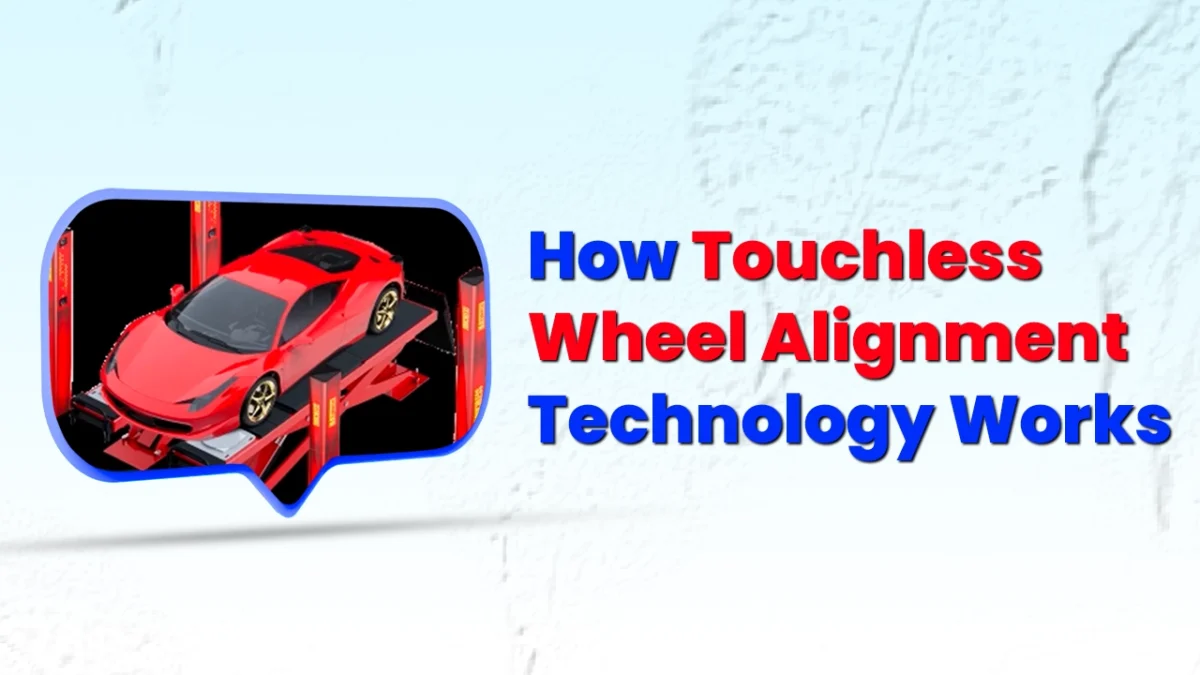
Wheel alignment has been around for a long time, but the way it’s done is changing pretty quickly. Older systems still work, of course, but they usually involve clamps, sensors, and a lot more setup around the wheels.
Touchless wheel alignment takes a different approach. Instead of attaching equipment directly to the rims, the system reads the wheel position using cameras and sensors without physically touching the vehicle.
At first, it sounds a bit overcomplicated. But once you understand how it works, it actually makes a lot of sense – especially in busy workshops.
So, What Is Touchless Wheel Alignment?
In simple terms, it’s a wheel alignment system that measures alignment angles without clamping anything onto the wheels.
The system uses:
- Cameras
- Optical sensors
- Imaging technology
- Software-based measurements
to calculate alignment readings digitally.
So instead of manually attaching hardware to every wheel, the system scans the vehicle and processes the data automatically.
How the Process Usually Works
The exact setup depends on the equipment, but the process is generally pretty similar.
1. The Vehicle Enters the Alignment Area
The vehicle is positioned in front of the system or driven onto the alignment rack.
Unlike traditional setups, technicians don’t need to spend time attaching clamps or targets to the wheels.
That’s one of the first things people notice – it immediately feels quicker.
2. Cameras and Sensors Scan the Wheels
This is where the touchless part happens.
High-speed cameras and sensors scan the wheels and collect positioning data from different angles. The system reads:
- Wheel position
- Alignment angles
- Vehicle geometry
without making physical contact.
3. Software Calculates the Alignment
Once the scan is complete, the software processes the information and calculates measurements like:
- Camber
- Toe
- Caster
The readings appear on-screen almost instantly.
4. Adjustments Are Made
After the measurements are displayed, the technician makes the necessary adjustments just like with a regular alignment system.
The difference is mainly in how the measurements are captured – not in the alignment principles themselves.
Why Workshops Are Moving Toward Touchless Systems
A lot of it comes down to workflow.
Faster Setup
Traditional alignment takes time because everything has to be attached and adjusted manually.
With touchless systems, that setup time is mostly gone.
Less Risk of Rim Damage
Since nothing clamps onto the wheel, there’s less chance of scratching or damaging rims – especially important with premium wheels.
Better for High-Volume Shops
If a workshop handles multiple vehicles daily, saving even a few minutes per job matters. Over time, it adds up.
More Consistent Measurements
Because the system relies heavily on digital imaging, there’s usually less variation caused by manual setup errors.
Does It Replace Traditional Alignment Completely?
Not necessarily.
Traditional systems are still widely used and can still be very accurate. But touchless technology is becoming more popular because it simplifies the process and speeds things up.
For some workshops, that efficiency alone makes the upgrade worthwhile.
Things That Still Matter
Even with newer technology, proper setup and calibration still matter.
A touchless system isn’t “automatic perfection.” The equipment still needs:
- Calibration
- Proper installation
- Technicians who understand the process
The technology helps, but experience still matters.
Where This Technology Fits Best
Touchless alignment systems are especially useful in:
- High-volume workshops
- Tire and alignment centers
- Dealership service departments
- Shops working with newer vehicles
Basically, places where speed and consistency matter every day.
One Thing People Misunderstand
Some people assume “touchless” means the technician barely does anything. That’s not really true.
The system speeds up the measuring process, but proper alignment still depends on the person using the equipment.
Final Thoughts
Touchless wheel alignment technology is really about making the alignment process faster, cleaner, and more consistent. Instead of spending time attaching hardware to each wheel, the system handles measurements through imaging and sensors.
For workshops trying to improve efficiency without sacrificing accuracy, it’s becoming a practical upgrade rather than just a newer feature. And with manufacturers like Stan Design continuing to support modern workshop technology, more shops are starting to move in that direction.
Frequently Asked Questions (FAQs)
1. Is touchless alignment actually better, or just newer?
A bit of both, honestly. The biggest thing people notice is how much quicker the setup feels. And since there’s less manual adjustment involved, the readings tend to stay more consistent too.
2. Does anything touch the wheels during the process?
No, not really. The system reads everything through cameras and sensors, so there’s no clamping equipment attached to the rims.
3. Is it noticeably faster than the older alignment systems?
Yeah, especially in busy shops. You save time right away because you’re not attaching hardware to every wheel before starting.
4. Will it work on any vehicle?
Most newer systems handle a pretty wide range of vehicles, but it still depends on the setup and what the equipment is designed for.
5. Does the technology do all the work on its own?
Not exactly. It helps a lot with measuring, but the technician still needs to know what they’re doing. The system doesn’t replace experience.
6. Why are workshops moving toward these systems now?
Mostly speed and convenience. If you’re doing alignments every day, saving even a few minutes on each vehicle makes a difference.
7. Is there less chance of damaging expensive wheels?
Yeah, that’s one of the reasons people like these systems. Since nothing grabs onto the rim, there’s less risk of scratches or marks.
8. Do touchless systems still need maintenance?
Of course. They’re still equipment at the end of the day. Cameras and sensors need to stay calibrated properly or the readings can be off.