
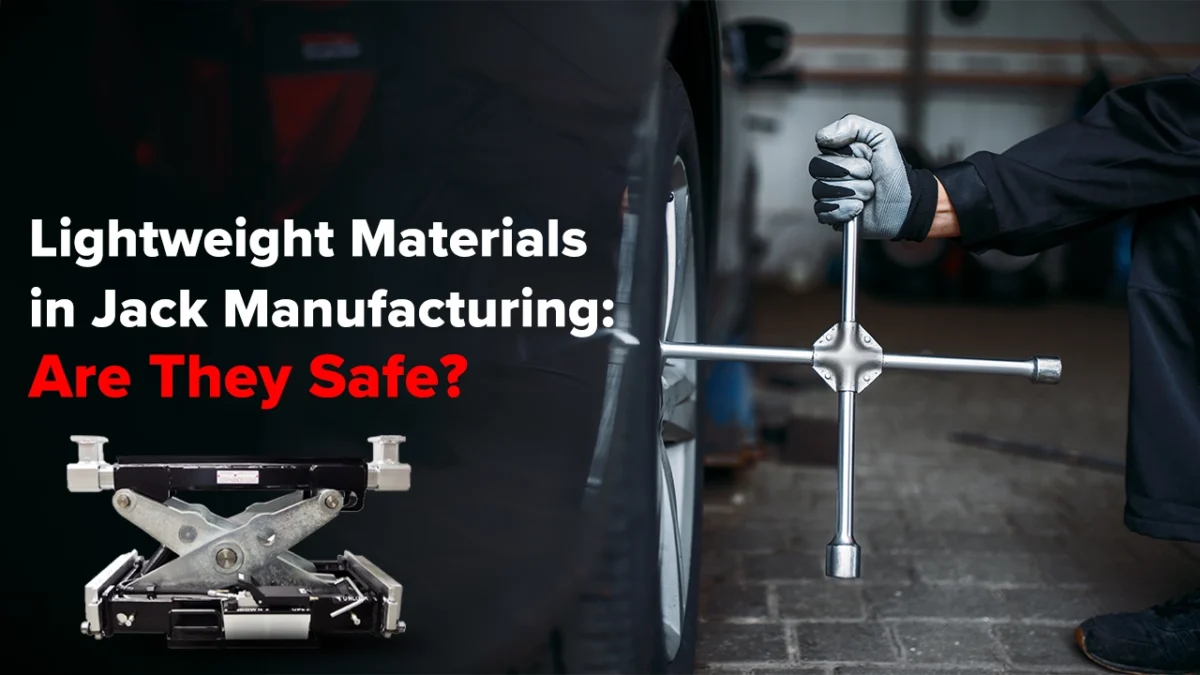
Nowhere is change more clear than in how lifts are made today, including modern truck jack designs. Instead of solid steel, builders often reach for lighter options like aluminum or composite mixes. Speed and simplicity start to matter more when workers need to place gear quickly. Less weight means fewer back issues later down the line. Yet here’s the catch — does lighter really mean stronger when work gets tough? Real settings demand real toughness, not just weight savings.
Yes, that is correct – if engineered well and matched to proper load needs. What really matters ties into rules, purpose, and how things are used. Think about how lighter materials shape jack building, then see their impact on security.
Why Manufacturers Are Using Lightweight Materials
Lighter tools don’t only make things easier – they also change how work flows and fit within a space. Moving big, weighty items takes longer, demands more strength, and feels clumsier when placing them exactly.
Now picture cars built with less weight – this shift happens because companies want to do two key things:
- Lighter weight makes it easier to move around service bays.
- Speed up location tracking near moving objects
- Reduced technician fatigue
- Lower shipping and handling costs
- Smaller turns become easier in crowded areas.
When it comes to field crews on the move, lighter gear often makes daily work easier. That weight difference? It shows up where it counts – out in the field.
Common Lightweight Materials Used in Jacks
Lighter stuff shows up in certain parts of today’s modern jacks, not everywhere. Strength stays focused on crucial spots through this mixed method.
Common materials include:
Aluminum alloys
- Found in frames and bodies
- Strong for their weight
- Naturally resists corrosion
High-strength steel blends
- Stronger than regular steel, yet lighter in weight
- Found in strength-giving frames and riding seats
Engineered composites
- Fingers touch things like grips, caps, or parts that do not carry power.
- Lower the total weight of the tools
What matters most? Critical load paths keep getting backed by strong high-strength metals.
Strength vs Weight: The Engineering Balance
Weight of a jack doesn’t decide if it’s safe – engineering choices do. When built right, even a light jack handles weight safely, provided safety targets are matched.
Engineers evaluate
- Yield strength of materials
- Frame geometry
- Stress distribution
- Weld and joint design
- Safety factor margins
Now machines can strip extra weight away – still making weak spots stronger under pressure.
Load Ratings Matter More Than Material
What a jack can handle matters most, not its material. Staying under its maximum load means safety – follow how it’s meant to be used.
Check first
- Rated lifting capacity
- What vehicle type fits here?
- Duty cycle rating
- Certification or testing standards
A small jack works better when not pushed too hard. Safety comes easier if it stays within its allowed range. Heavy tools become riskier once they exceed what they were made to handle.
Where Lightweight Jacks Work Best
Sometimes smaller setups actually work better in specific situations.
Most suitable cases are:
- Passenger vehicle service
- Light truck maintenance
- Mobile mechanics
- Tire and brake work
- Emergency roadside lifting
Speed matters here, yet safety stays non-negotiable when choosing loads. Portable setups deliver advantages only if they handle stress well.
Even now, some builders stick with bulkier options
Even now, some situations make old-style building methods work better. Heavy work still fits certain uses.
Typically, heavier jacks get chosen when
- Heavy-foot traffic commercial spaces
- Heavy truck and bus maintenance
- Extreme load lifting
- Rough floor conditions
- Continuous daily use
Under constant stress, material weight might help keep structures firmer and stand stronger over time.
Stability Considerations with Lightweight Designs
With less heavy gear, staying steady becomes a problem. Not having much weight means it resists changes poorly – yet today’s builds handle that using layout instead.
Stability gets better because
- Larger base feet spread out more.
- Reinforced side frames
- Place wheels where they work best. Positioning them right makes a difference.
- Low center-of-mass geometry
A good lightweight jack keeps its footing when heavy, staying solid rather than wobbly.
The Importance of Standards and Testing
Not every jack can handle stress safely, since some skip key safety checks. Heavy-duty models usually go through tough testing before release, built to last under constant strain.
Look for:
- Third-party testing
- Rated load certification
- Overload testing margins
- Cycle durability testing
Safety isn’t about how thick a material is. It comes down to performance during testing.
User Behavior Still Determines Real Safety
A sturdy jack still risks harm when handled wrong. How a building sits doesn’t excuse sloppy lifting methods.
Always:
- Use proper lift points
- Lift on level surfaces.
- Use jack stands for support
- Check tools and gear often
- Always stay under your maximum load rating
What really counts is staying safe, not what something’s made of.
Final Thoughts
Lightweight stuff in jack making? That isn’t cutting corners – it’s progress shaped by engineers. Done right, with careful design, trials, and weight limits checked, low-weight jacks handle tasks safely while making them easier to actually use. What matters most is picking gear strong enough internally, rated correctly for what it must handle, and built right for its job. Companies like Stan Design build machines focused on strength and reliability, not just making things lighter. Their work centers on solid performance instead of slim designs, where safety always leads.